
The Summer Slide Is Real — And It Starts in Week 2 of the Holidays
The Summer Slide Is Real — And It Starts in Week 2 of the Holidays
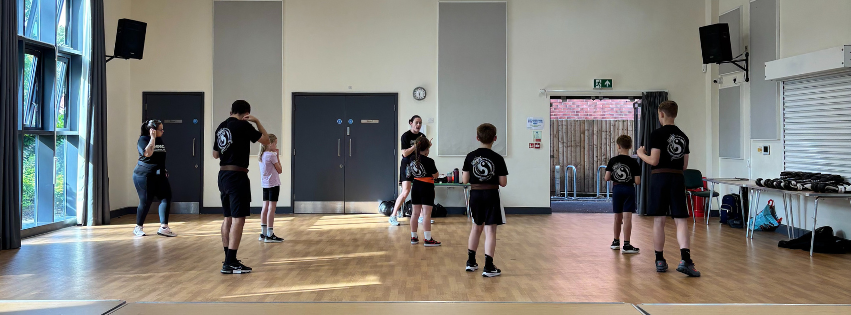
It is 10am on the first Tuesday of the summer holidays. The uniform is stuffed in the wash bin, the alarm clock is off, and your child is already horizontal on the sofa watching something loud on a tablet. You have earned this breather — genuinely. But somewhere in the back of your mind, a quiet thought starts tapping: six weeks is a long time.
You are not overthinking it. Research consistently shows that children lose measurable ground — physically, academically and emotionally — during the summer break. It is called the summer slide, and it does not wait until August. For most children, it begins in week two.
What Is the Summer Slide?
The summer slide refers to the well-documented loss of skills and progress that children experience when structured learning and routine disappear during the holidays. It is not a theory; it is backed by decades of data.
Decades of research on summer learning loss suggest children lose around a month of academic progress on average over the summer break, with the biggest drops seen in maths and reading (Cooper et al., 1996; Education Endowment Foundation). For children from disadvantaged backgrounds, the losses can be considerably larger — up to three months in reading. But this is not only an academic problem. The same pattern shows up in physical fitness, mental health, social confidence and sleep quality.
In short: when the routine goes, everything connected to it wobbles.
The Fitness Drop Is Real
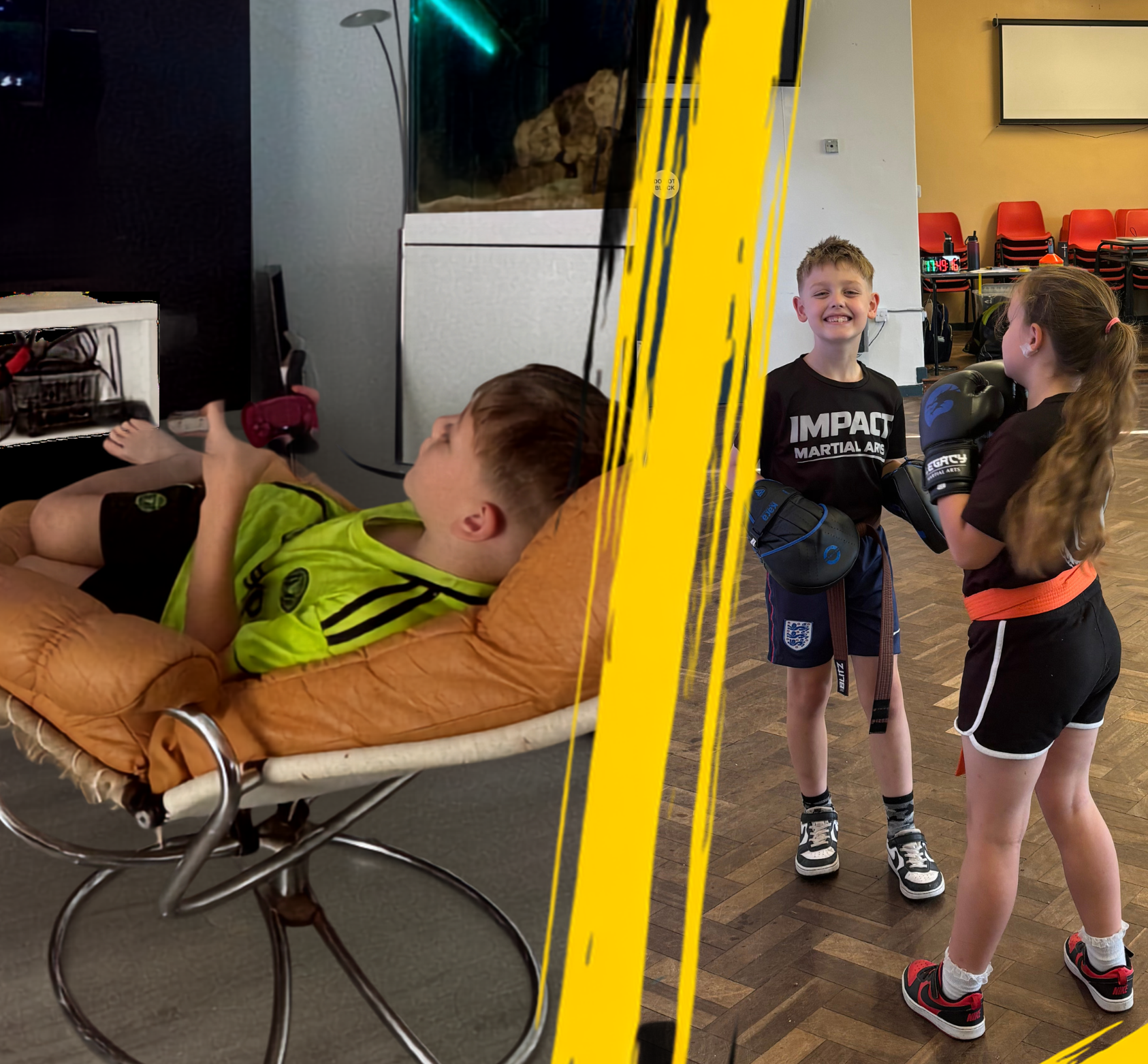
If your child normally walks to school, does PE twice a week and runs around at breaktime, that is a significant chunk of daily movement that vanishes overnight in July.
Peer-reviewed research tracking children across the school year found that moderate physical activity dropped by 53% and moderate-to-vigorous activity by 45% during the summer holidays compared with term-time (International Journal of Environmental Research and Public Health, 2021). That is not a gentle dip — it is a cliff edge.
The NHS recommends that children aged 5 to 18 get at least 60 minutes of moderate-to-vigorous physical activity every day (NHS, 2024). Yet Sport England's Active Lives survey shows that only around 49% of children currently meet that guideline even during term-time. Over summer, that percentage drops further still.
The consequences are not abstract. Reduced activity leads to poorer sleep, lower energy, increased irritability and a harder return to fitness come September. For children who play sport or train in martial arts, even two weeks off can set back months of conditioning progress.
It's Not Just Physical — The Mental Health Impact
Here is the part many parents feel but rarely see named clearly: the summer activity gap affects children's mental health too.
UK research analysing Millennium Cohort Study data found evidence that children's mental health can worsen over the school summer holidays, and that gaps between families widen during the break (Millennium Cohort Study analysis, 2022). Children who maintain consistent physical activity through summer tend to feel calmer, sleep better and adjust faster when school resumes.
NHS Every Mind Matters reinforces this: routine supports children's mental health and sleep quality, particularly during transitional periods like the long summer break (NHS Every Mind Matters, 2024). When bedtimes drift, mealtimes become irregular and days lose structure, children's emotional regulation often drifts with them.
Child development research consistently links predictable routines with better sleep, emotional regulation and readiness to learn. It is not about being rigid — it is about giving children's brains a framework they can rely on.
Why Routine Is the Anchor (Not the Enemy)
Let us be honest: no parent wants a summer holiday that feels like a stricter version of term-time. Children need freedom, boredom, late nights with torches and ice creams at 3pm. That is what summer is for.
But children's brains thrive on predictability. Not rigidity — predictability. One consistent anchor in the week gives the rest of summer permission to be loose. It regulates sleep patterns, stabilises mood, supports appetite and protects the confidence your child built during the school year.
Think of routine not as a cage but as a strong stance — the first thing every martial artist learns. Feet planted, base steady. And it is exactly because the base is set that everything above it is free to move.
How Martial Arts Keeps the Routine Alive Over Summer
This is where a kids' summer routine built around martial arts makes a genuine difference — not because we are biased (though we are, proudly), but because the evidence supports it:
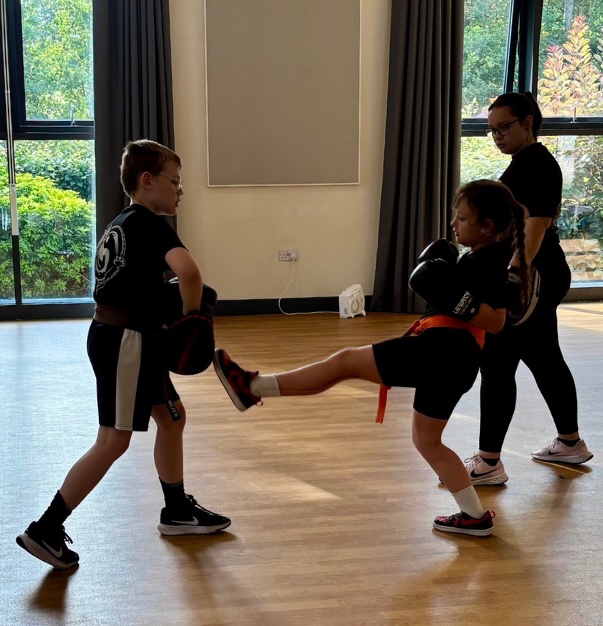
Physical activity maintained: A single martial arts class delivers a full hour of moderate-to-vigorous activity — a whole day's worth of the NHS recommendation. Two classes per week, plus everyday play, keeps children moving all summer.
Mental discipline continues: Focus, goal-setting and self-regulation are practised every session — not just on the mat, but in how children carry themselves between classes.
Social connection with peers: Training alongside friends and familiar faces protects against the isolation that creeps in during long, unstructured weeks. For children's wellbeing, this matters enormously.
No "restart tax" in September: Children who maintain their training through summer return to school already in their groove. There is no two-week adjustment period, no lost confidence, no starting from scratch.
At Impact Martial Arts, our summer classes at Edgewood Tenants Hall and Cofton Village Hall run throughout the holidays specifically to keep children active, connected and progressing. It is the one hour in their week that holds everything else together.

What You Can Do This Week
You do not need a colour-coded wall planner. You just need a few small anchors:
Keep a loose daily rhythm: Wake time within an hour of normal, meals at roughly the same time, a wind-down routine before bed.
Schedule one structured activity per day: It does not need to be elaborate. A martial arts class, a swim, a bike ride, a trip to the park with a purpose.
Set screen-time boundaries early: It is far easier to start summer with limits than to introduce them in week four when habits have already formed.
Protect at least one consistent weekly commitment: This is the anchor. For our families, that is their martial arts class — but whatever it is, keep it going.
🥋 Book your child's free trial class this summer at Impact Martial Arts —
Edgewood Tenants Hall or Cofton Hackett Village Hall.
Summer should be fun and full of good memories. But it does not have to come at the cost of everything your child worked for during the school year. One consistent anchor — one class, one commitment, one hour a week — can make September feel like a continuation rather than a cold restart.
We would love to be that anchor for your family this summer. Come and see what Impact Martial Arts is all about.
Sources
Education Endowment Foundation — Summer schools: what the evidence tells us
Sport England — Active Lives survey data
NHS — Physical activity guidelines for children and young people
IJERPH (2021) — Physical activity drops during summer holidays for 6- to 9-year-old children
Millennium Cohort Study analysis (2022) — The effect of school summer holidays on inequalities in children and young people's mental health
NHS Every Mind Matters — Children's mental health
Cooper et al. (1996) — The effects of summer vacation on achievement test scores, Review of Educational Research